
Día de los Muertos Overview

Día de los Muertos (Day of the Dead) has been celebrated in Mexico for thousands of years. It comes from indigenous tribes such as the Aztecs and Maya. They believed that death was just a natural part of life and that they could go and visit their deceased loved ones. The Aztecs would hold festivals to celebrate their dead, often to the goddess Mictecacihuatl, also known as the Lady of the Dead. When the Spanish explorers came to Mexico in the 1500s, they brought their Catholic beliefs and traditions of All Saints’ Day and All Souls’ Day. Eventually, they combined their beliefs and created Día de los Muertos, which is celebrated on November 1st and 2nd. Día de los Muertos is now a festival celebrated in Mexico and many different places around the world. Families will build beautiful altars called ofrendas and decorate their graves to celebrate their loved ones who have passed away. Marigold flowers, candles, pictures, and sugar skulls will be used to welcome their spirits. This is a very happy celebration as families come together to remember their ancestors. In 2008, it was recognized as an Intangible Cultural Heritage of Humanity by UNESCO due to its significance to Mexican culture and traditions. The holiday is a symbol of the strong bond within families, culture, and tradition. Many families will practice the traditions of Día de los Muertos, which can teach younger family members about their ancestors. There are often lots of activities such as music, dancing, parades, and brightly colored costumes. This means the celebrations are very happy and appreciated by many. It is a reminder that although your loved one may not be with you anymore, their story, traditions, and memories will live on.
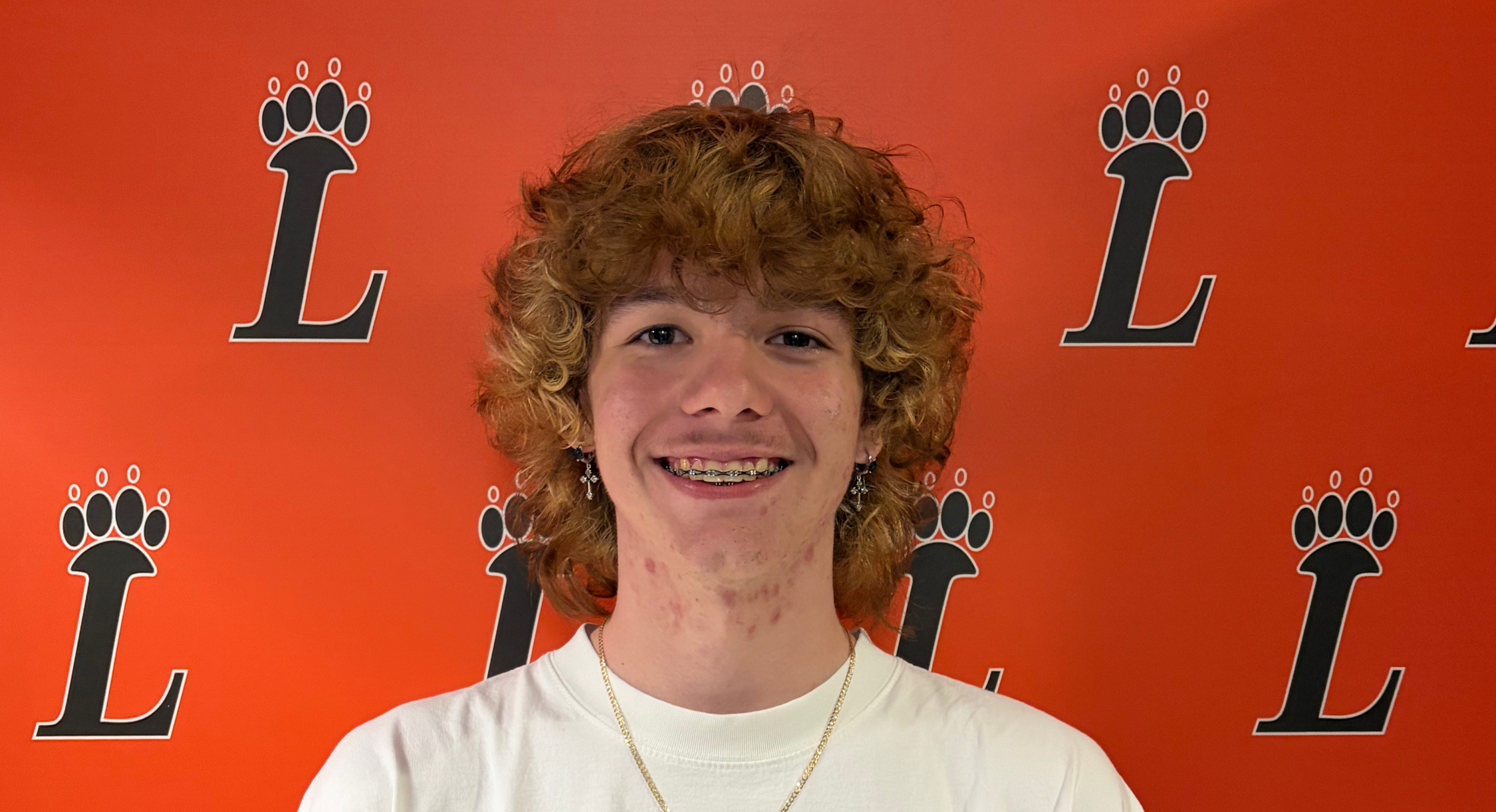
Today, it is a key symbol of Mexican identity, history, and culture. Some students at Loveland High School participate in traditions to honor their deceased loved ones for Día de los Muertos. I myself don’t do that much for Dia de los Muertos, but my family on my dad’s side, in fact do participate by putting up ofrendas and leaving food. One year I was there for it, and the whole town was decorated for the holiday. I was also able to locate one student who was willing to share how they celebrate Día de los Muertos. Yahir Corona-Juarez (12) says, “We put ofrendas, which are pictures of our family who have passed. We leave their favorite foods and drinks so they can come down and eat with us while we celebrate for them.” Even though I was only able to find one student to share his experience, his answer helps to show how meaningful and important Día de los Muertos is and how it is celebrated by people in our own community.


Comments